

Snow Hauling for Tight Mountain Lots
When there is nowhere to push.
On a flat lot, plowed snow goes to the edges and melts. On a tight mountain lot there may be no edge to push to: a retaining wall on one side, a bank on the other, a drop to a creek or a neighbor below. Snow hauling loads those piles with the skid steer into the dump truck and moves them off the site.
- Free on-site estimates
- Owner-run by McKinley
- Residential and commercial
How snow hauling works
Why piles become a problem
Snow piles take up parking spaces, block sight lines at entrances and narrow the drive lanes. On a mountain lot they do something worse: they melt in the afternoon sun, run across the pavement and freeze again at night. A pile at the top of a sloped lot can glaze the whole lot below it every evening for a week. A pile against a building or a retaining wall puts water right where it does the most harm.
On the tight lots common around Asheville, one storm can fill every push area. A second storm, or snow that hangs around through a long cold stretch, leaves the plow nowhere to put anything. That is when hauling earns its place. It resets the lot so the next storm can be plowed normally, and it removes the melt and refreeze problem at its source.
Skid steer and dump truck
The tracked skid steer loads the piles and the dump truck carries them away. Tracks hold on a sloped, icy lot better than tires, and the machine is compact enough to work around parked cars, islands and the tight corners of a hillside lot. The truck is loaded in a spot agreed beforehand where it can sit safely, ideally on level ground and out of the drive lanes, where it will not block anyone in.
Hauling usually happens after the storm, when the lot is quiet, often in the evening or early morning so it does not tie up a business during open hours. A big pile can take several loads. Most contracts bill hauling separately from plowing, by the load or by the time, and say who decides when hauling is needed and who approves each round.
Where the snow goes
Hauled snow has to go somewhere sensible and permitted. The usual choices are a lower corner of the same property, an empty lot the owner controls, or another site the owner has permission to use. It should not go into a creek or a storm drain, or onto someone else's land without permission. Snow off a parking lot carries salt, grit, oil and litter, and all of it stays behind when the snow melts.
Picking the dump spot is part of the pre-season walk-through. It has to be reachable by a loaded truck in winter, which on a mountain property rules out some spots that look fine in summer. Where the dump spot sits on a slope, the path the melt water will take is checked, so it does not run onto a drive, a road or a building below.
Lots that need hauling
Some sites need hauling after nearly every real storm. Lots cut into a hillside with a wall along one side. Downtown-style lots with buildings on three sides. Church and office lots where every space is needed on a Sunday or a Monday morning. Townhouse and condo communities with parking along a narrow private road. Rental properties with a small pad at the top of a steep drive. Each of these runs out of room fast.
Other sites only need it in a heavy winter. A contract can set hauling as needed, approved by the owner each time, or set a rule, such as hauling once the push areas are full. For HOAs it is often tied to specific spots, such as mailbox kiosks and guest parking. How that is written is covered on commercial snow contracts.
Hauling and plowing together
Hauling goes faster when it is planned with the plowing. The plow pushes snow to spots where the skid steer can load it easily, rather than packing it into a corner it cannot reach. The site map shows both: where snow is pushed during the storm and where it is loaded out after. Getting that right saves loads and time. See snow plowing for how lots and roads are plowed.
After a big storm, hauling also clears banks that block sight lines where a lot or a private road meets the state road. A driver pulling off a steep road onto a busy one needs to see both ways. The state plow often leaves a heavy ridge of snow across the end of a private road or drive, and that gets cleared in the same visit.
Snow Removal and Ice Control
Plowing, salting, hauling and walk clearing for homes, private roads and businesses around Asheville.
See the pageTalk to McKinley(828) 540-6856
Call or text the address and what needs clearing: a lot, a drive, walks or all three. McKinley sets the route and the terms with you before the first snow.
Call nowWhat that covers
- Pile loading. Tracked skid steer loads piles off lots and pads.
- Truck haul-off. Dump truck moves the snow to the agreed spot.
- Dump spot planning. Chosen at the walk-through, reachable in winter.
- Sight-line banks. Cleared where a lot or road meets the state road.
- End-of-road ridges. Heavy snow left by the state plow cleared away.
Snow Removal and Ice Control
Plowing, salting, hauling and walk clearing for homes, private roads and businesses around Asheville.
See the pageSnow serviceCommercial Snow Contracts
Seasonal, per-push and per-event snow and ice contracts, walked and mapped before the first storm.
See the pageSnow serviceSalting and Ice Management
Pre-treating, salting and refreeze visits for ice storms, freezing rain and shaded mountain grades.
See the pageSnow serviceSidewalk and Entrance Clearing
Walks, entrances, steps and ramps cleared and treated so people get from the car to the door safely.
See the pageSnow serviceSnow Plowing
Lots, private roads, mountain community roads and long drives, plowed in an order set before the season.
See the pageHauling around Asheville
Hauling comes up most on the tight lots in and around Asheville and in steep communities above towns such as Black Mountain and Waynesville. It is usually one part of a wider plan with snow removal and ice control. The page on snow removal in Asheville covers local streets, lots and grades.
Set up before the first storm.
You call
Call or text with the address, how steep the drive or road is and what needs clearing: lot, drive, walks or all of it.
McKinley walks it
He walks the property before the season, notes the grades, the shaded stretches and where the snow can go.
Terms in writing
Seasonal, per push or per event, the trigger, salt and walks are written down before anyone needs them.
Cleared when it falls
When the storm comes, the property is worked in the agreed order and treated where ice will form.
The machines and the crew.
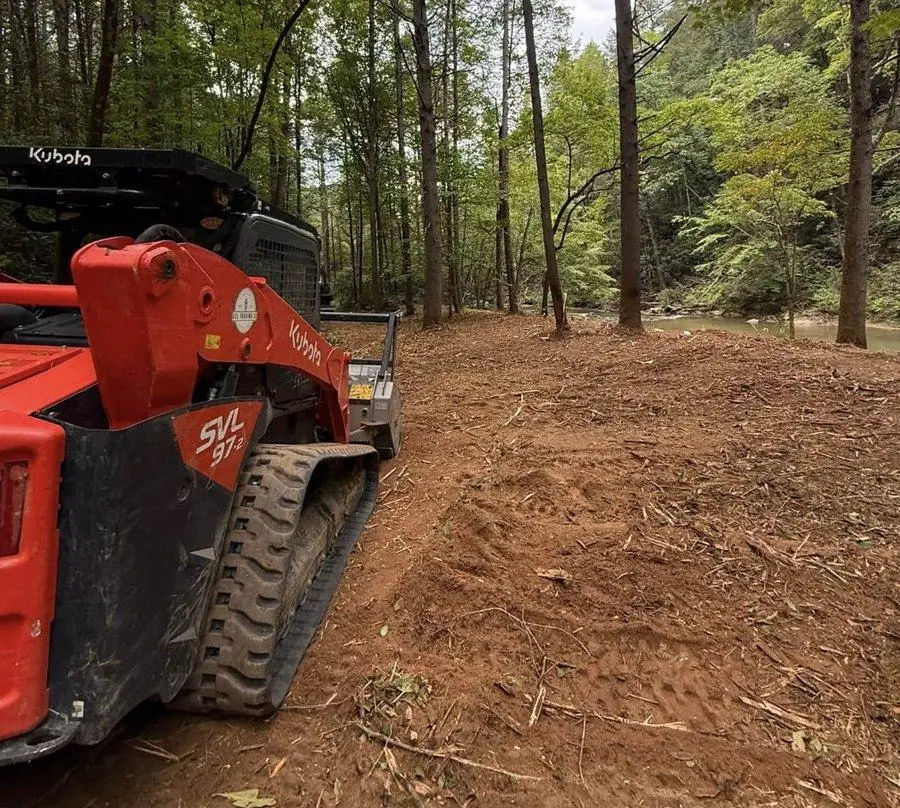
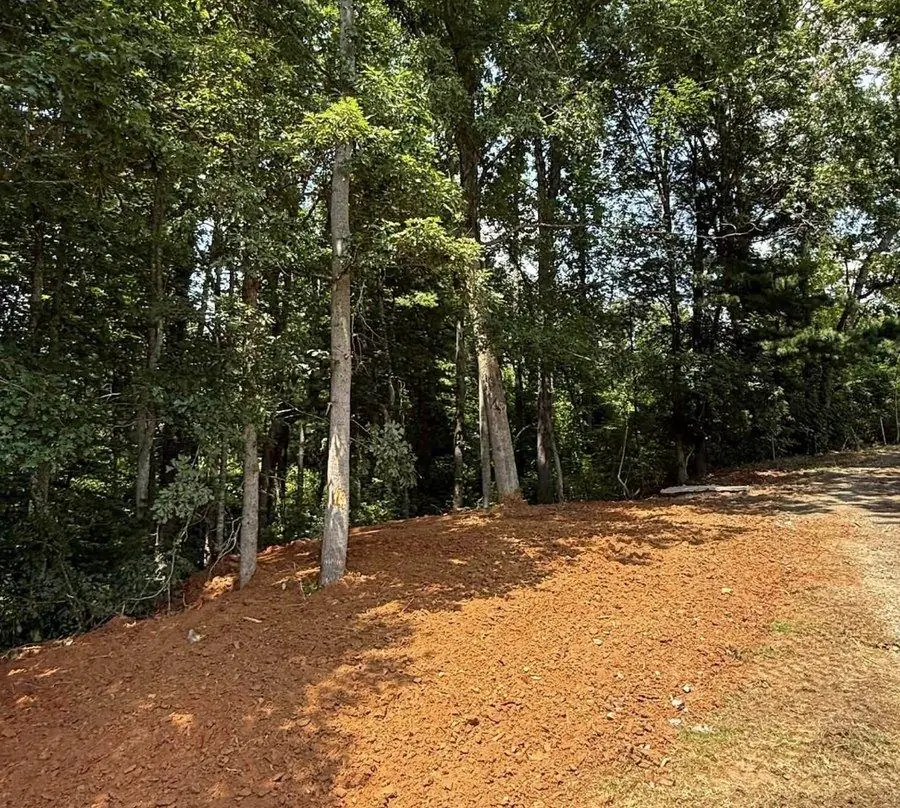
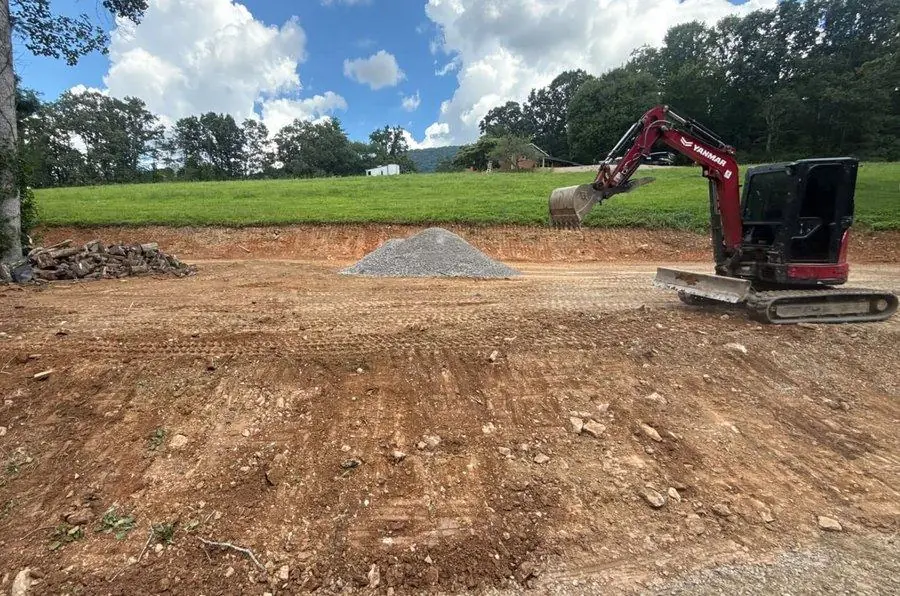
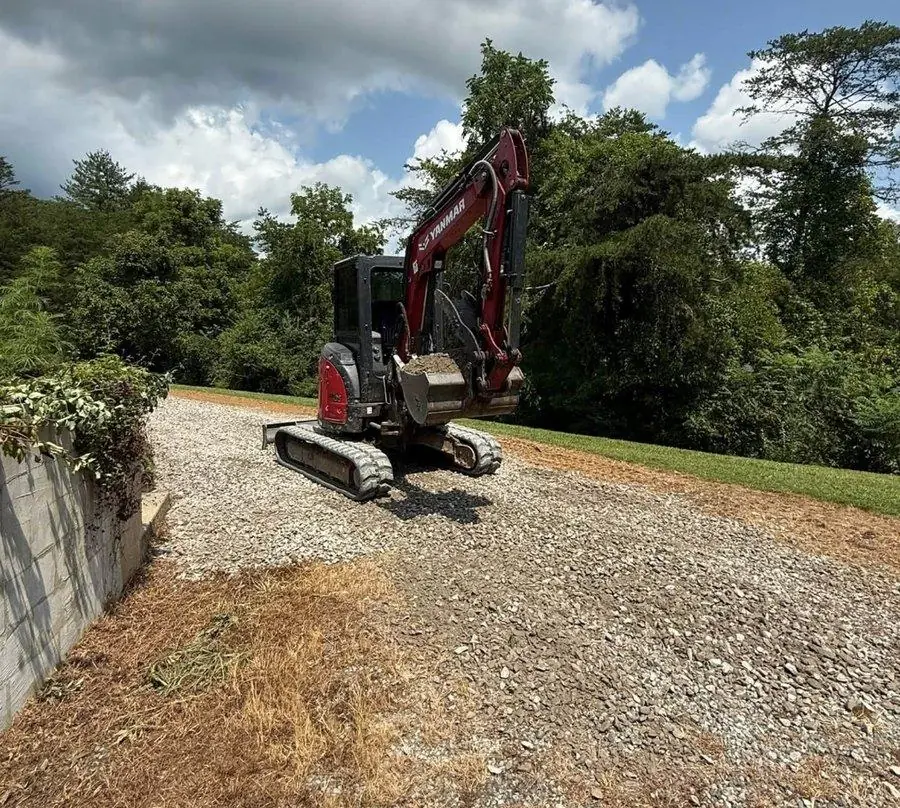
These are photographs from McKinley's actual jobs: the same equipment and the same crew that run the snow routes. See more recent work.
Questions people ask
Not seeing yours? Call (828) 540-6856 and ask McKinley, or read the guides.
When does snow need to be hauled instead of pushed?
When the push areas are full, or when piles are causing trouble: blocking parking, sight lines or doors, or melting across the lot and refreezing every night. On tight mountain lots that can happen after one storm. On roomier sites it may only come up in a heavy winter or after two storms close together.
Where does the hauled snow go?
To a spot agreed before the season. That is usually a lower corner of the same property, an empty lot the owner controls, or another site the owner has permission to use. It stays out of creeks and storm drains and off land nobody has asked about. The spot has to be reachable by a loaded truck in winter.
Can you haul snow from a residential driveway?
Yes, where a drive has no room left. A short steep drive with a wall or a drop on both sides, or a small parking pad at the top of a hill, can fill after one storm. The skid steer loads the snow and the dump truck takes it to a spot on the property or another place the owner has arranged.
Is hauling included in a snow contract?
Only if the contract says so. Most list it as its own line, billed by the load or by the time, because some winters need none and others need several rounds. The contract should say who decides when hauling happens, where the snow goes and whether it is done after hours to keep the lot open.
Will hauling damage my lot or drive?
The skid steer works carefully along pavement and stays clear of the curbs and islands marked on the site map. On gravel it leaves the packed layer so the stone stays put. Hauling soon after a storm, while the snow is still workable, is easier on the surface than chipping at piles that have frozen solid.
Other work he takes on
Most jobs end up being two or three of these at once, and they get quoted together.
Snow removal in other towns
Gravel Driveways
A new drive cut into the hill, based in lifts and crowned to shed water.
Learn moreDriveway Repair & Grading
Washouts, ruts and potholes fixed at the cause, not just regraded.
Learn moreDrainage & Erosion Control
French drains, catch basins, culverts and riprap so the property sheds water.
Learn moreRetaining Walls
Block, boulder and riprap walls that hold a cut bank up.
Learn moreLand Clearing
Lots, building sites and overgrown acreage cleared, stumps and root mat out.
Learn moreHouse Pads & Site Prep
Pads cut, filled and compacted on ground that started at anything but level.
Learn moreFree snow hauling estimate.
The address, how steep the drive or road is, and what needs clearing. McKinley walks it before the season and gives you the terms in writing.
- Free on-site estimates across WNC and the Upstate
- Residential drives and commercial lots
- Seasonal, per push or per event, set up before the first storm
Snow removal where you are
Each town has its own page: what winter does there, what gets plowed and how the contracts are set up.
Out of room for the snow?
Call McKinley at (828) 540-6856 to plan hauling for your lot before the piles take over.