

Driveways built for mountain grade.
Gravel drives cut, based and crowned to shed water on the slopes that break ordinary driveways — plus the clearing, drainage and grading that has to happen first.
- ★ 4.9 on Google
- Cut into the hill, not piled on it
- Drainage built in, not added later
- Free on-site estimates
- Owner-runMcKinley quotes the work and is on site
- Mountain drivewaysCut into the grade, drained, built in lifts
- WNC & Upstate SCBased in Asheville
- 4.9 on GoogleFrom 15 reviews
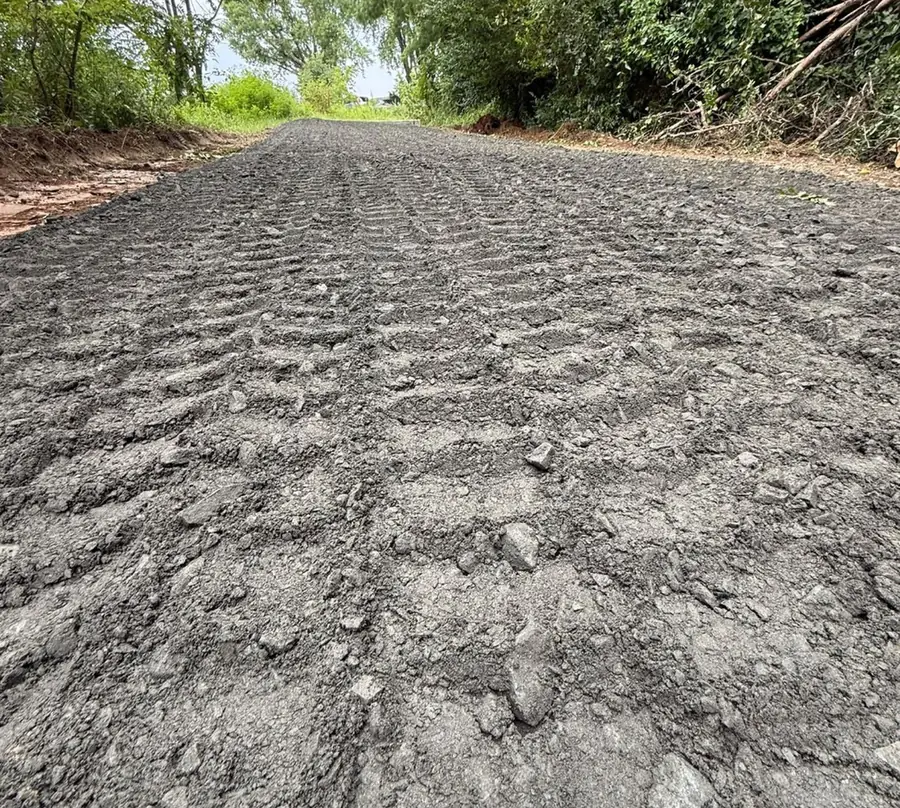
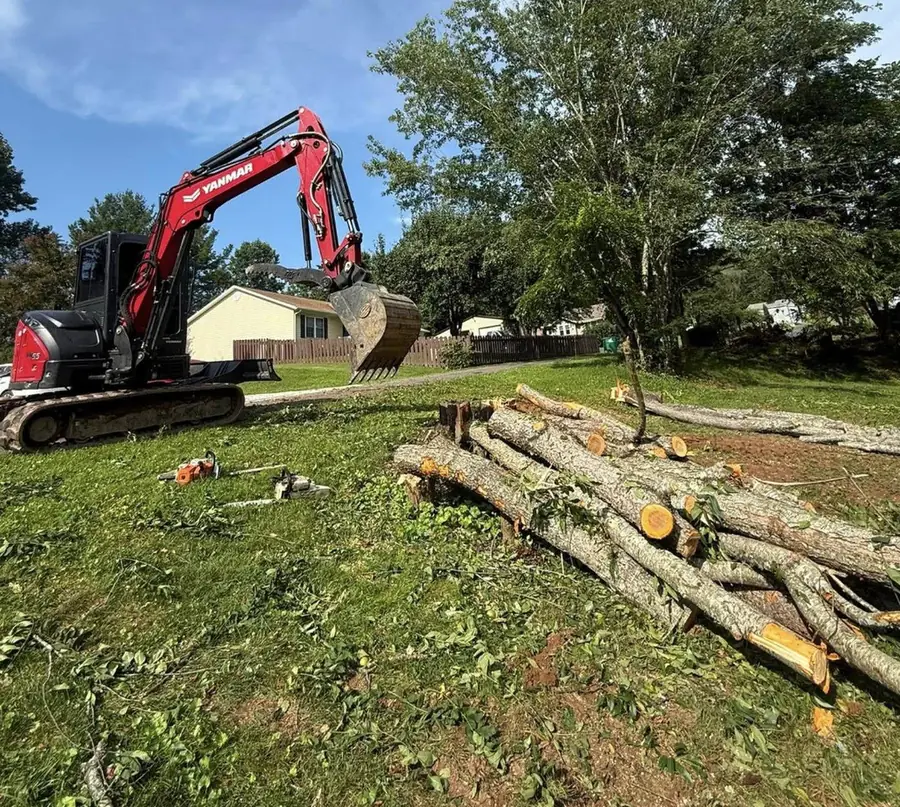
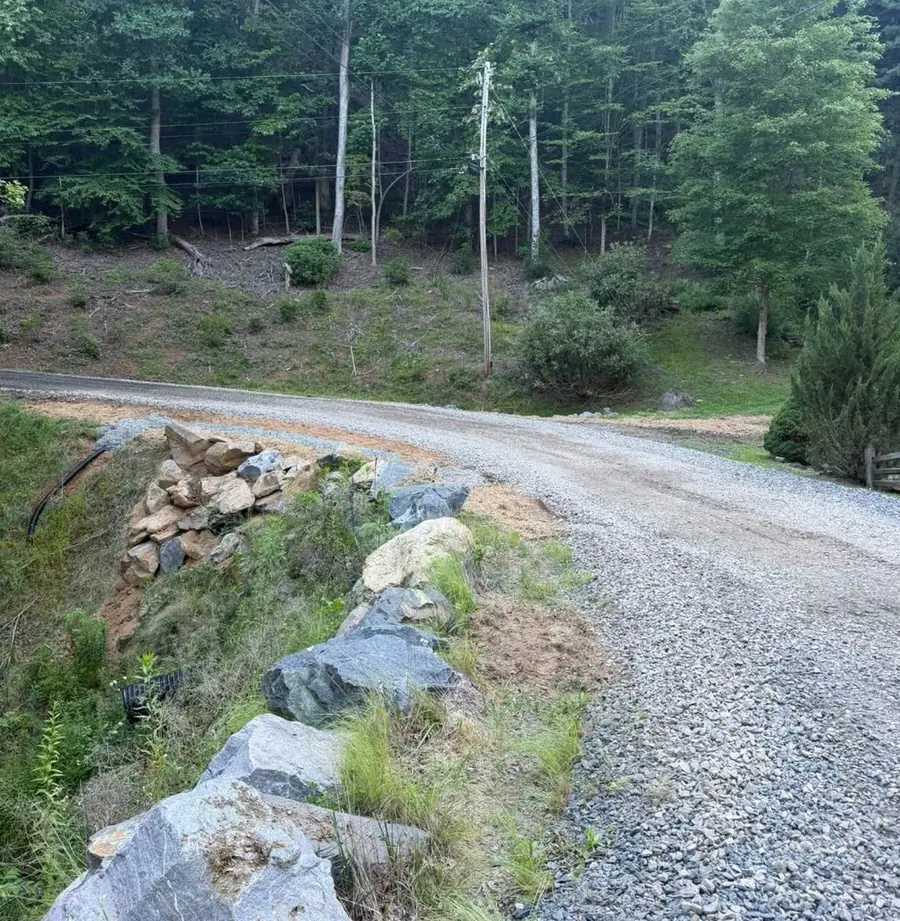
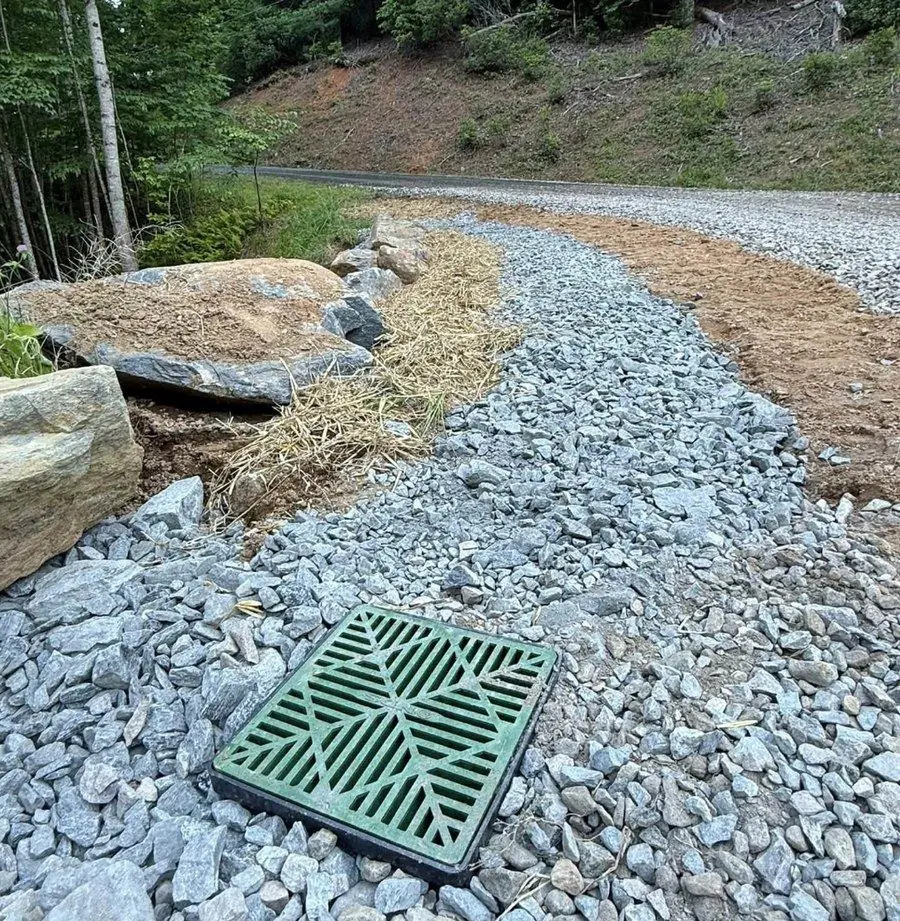
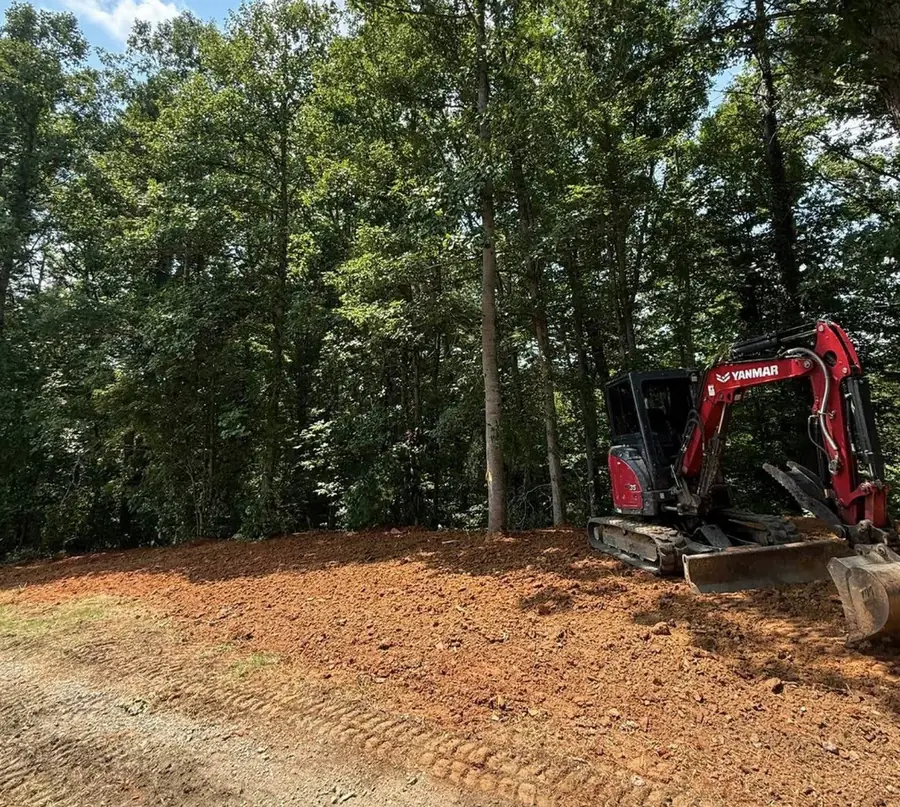
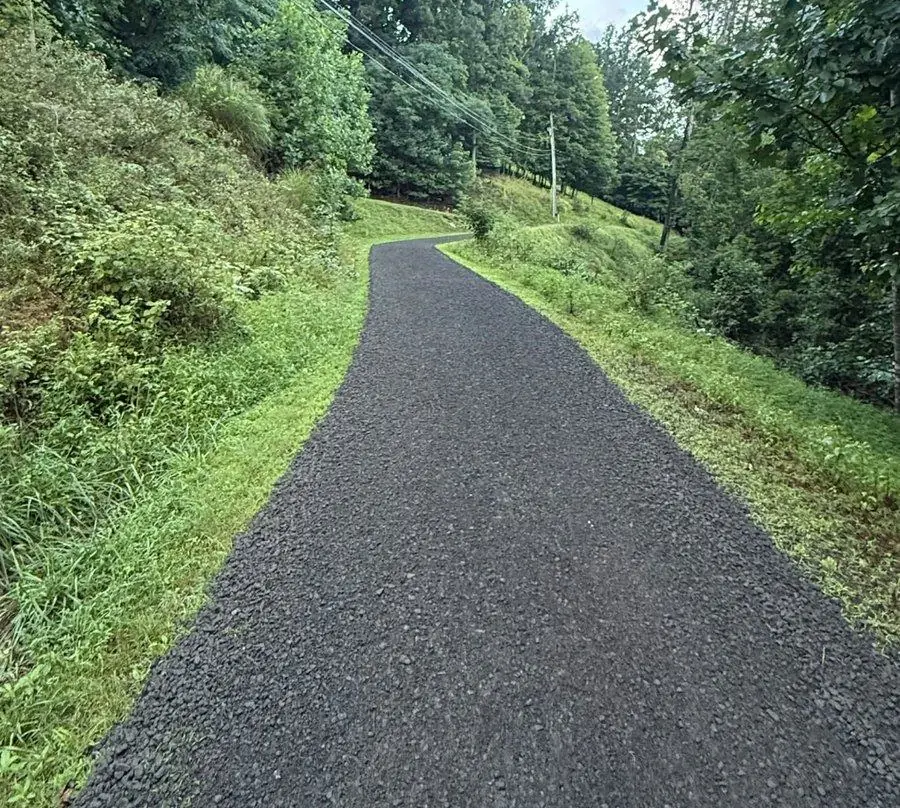
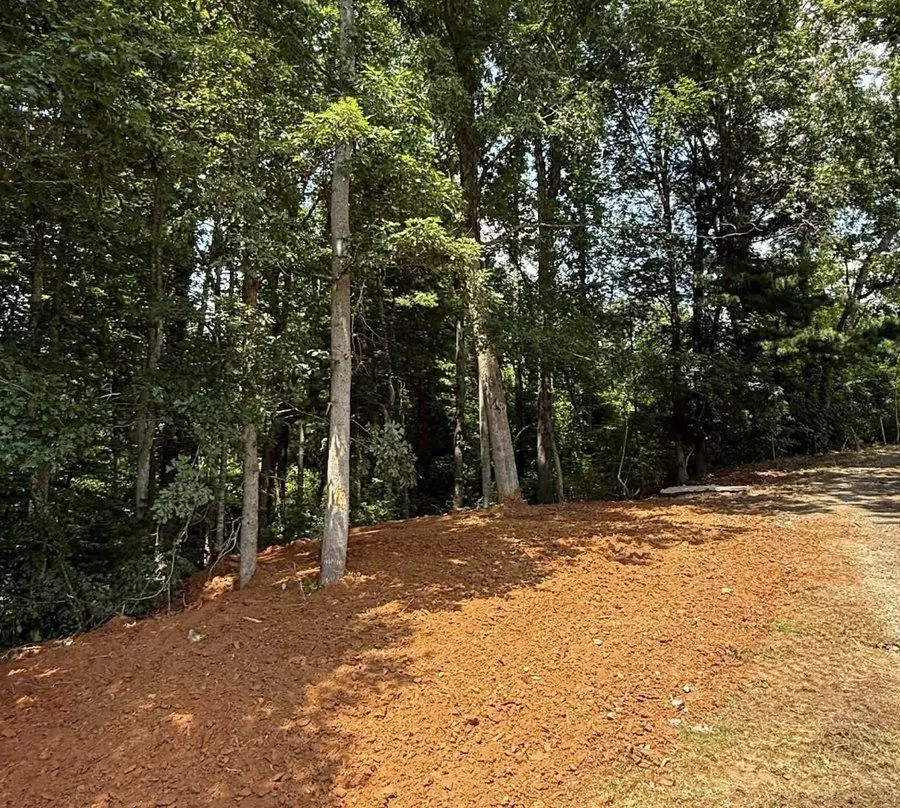
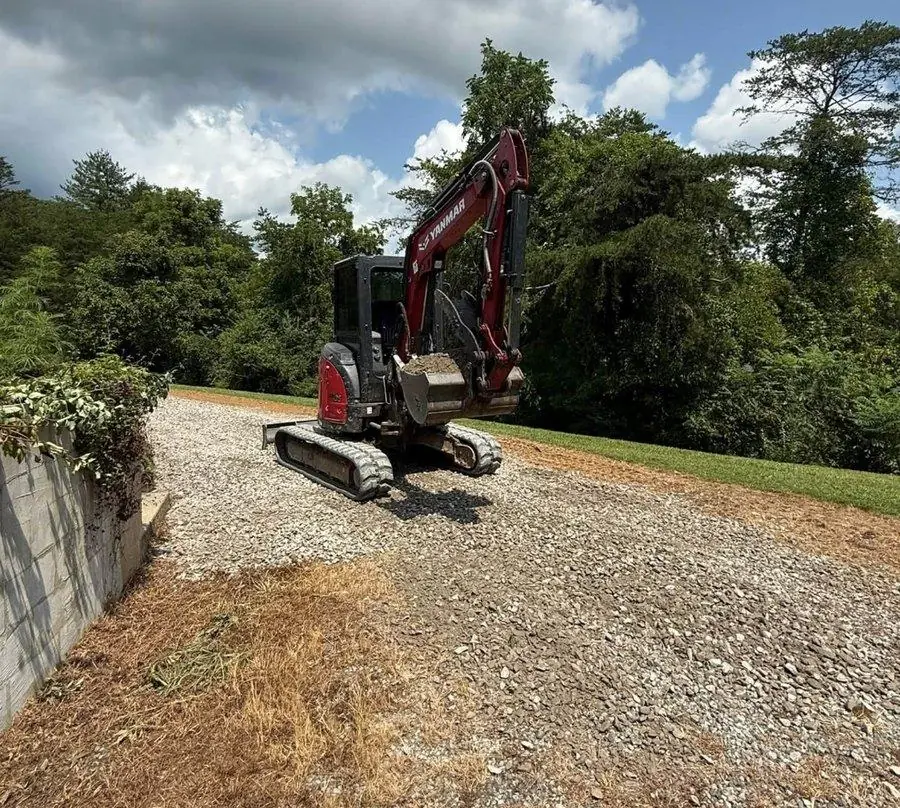
Drag to look around
Anyone can dump stone. Almost nobody builds the grade.
On flat ground a driveway is a delivery. On a Western North Carolina slope it is a drainage project that happens to have gravel on top — and that is why so many drives around here need redoing every couple of years.
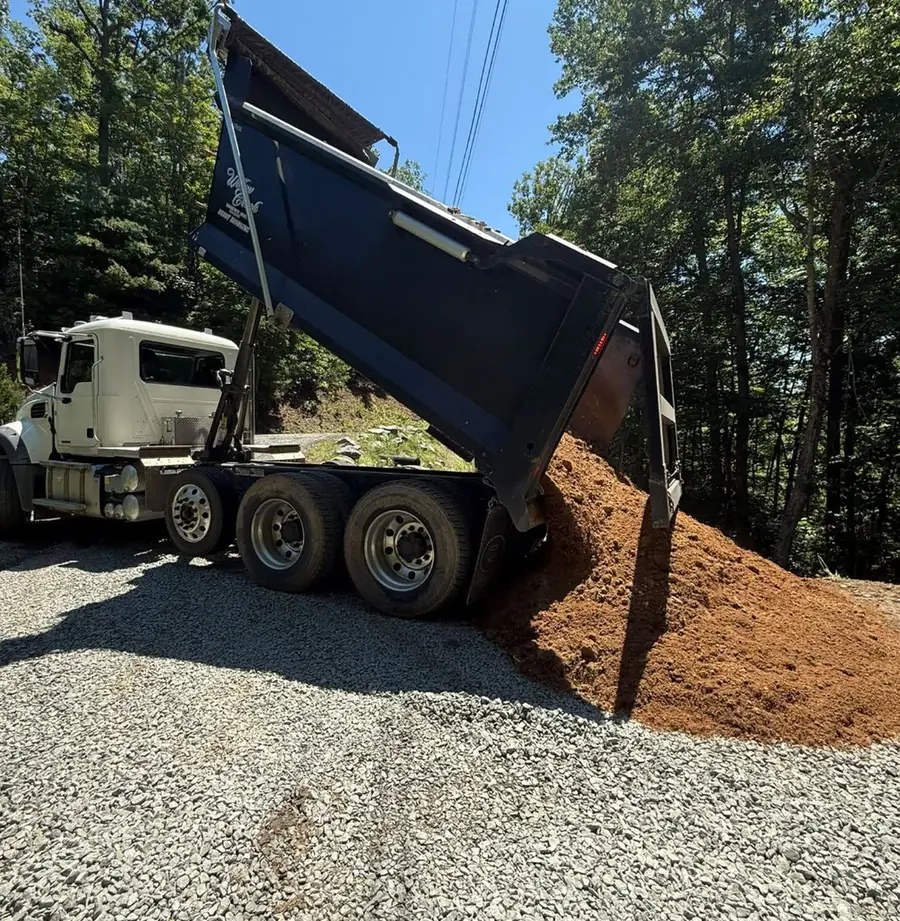
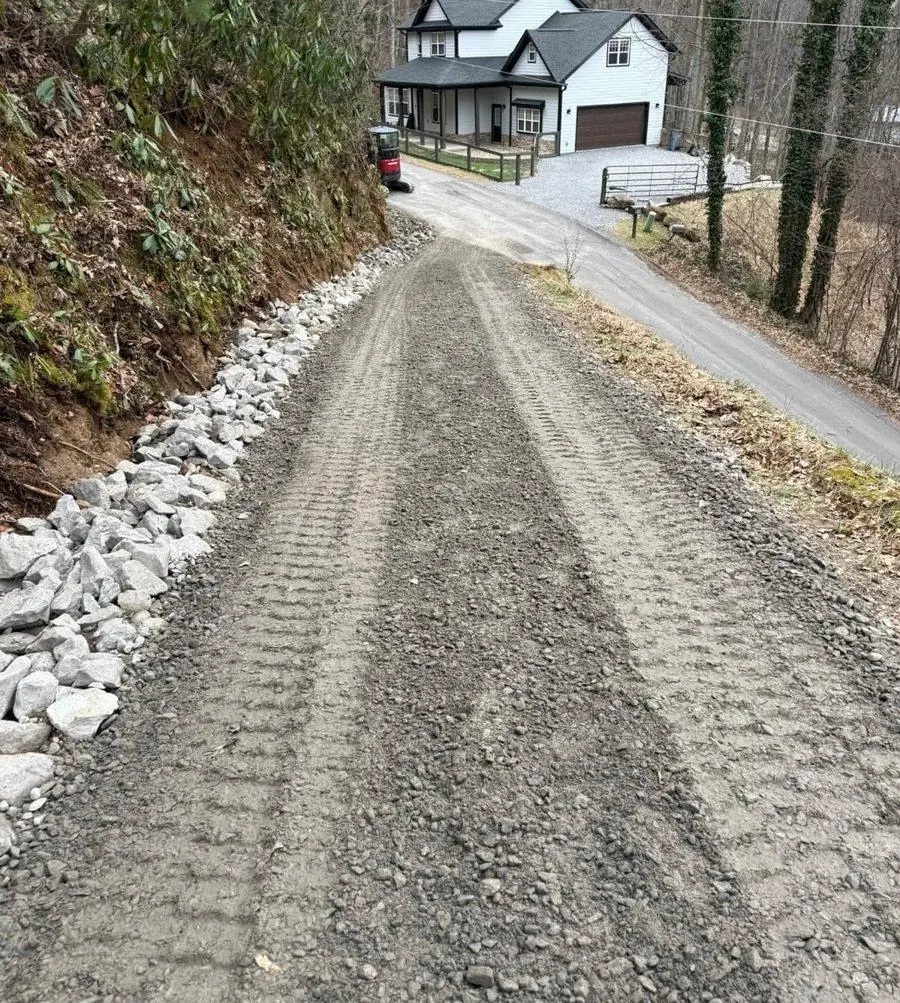
We build the crown, the ditch line and the culvert first, then the base in lifts, then the finish stone. It costs more up front and considerably less over five years.
Five things that ruin a mountain driveway.
- Water is the enemy, not gravel A drive on a grade fails because water runs down it, not because it ran out of stone. Crown, ditch line and culvert come before the last load of gravel — otherwise you are buying the same driveway twice a year.
- The wrong base sinks Rock laid straight onto soft ground disappears into it. A driveway that lasts is built in lifts, with the right size stone underneath and the finish on top.
- Ruts are a symptom Grading out ruts without fixing where the water is coming from resets the clock and nothing else. We find the source first.
- Steep grades need cut, not fill On Western North Carolina slopes the difference between a drive that holds and one that slides is whether it was cut into the hill or piled onto it.
- Turnarounds and access get forgotten A drive that a delivery truck, a fire engine or a concrete truck cannot turn around in is a problem you discover at the worst moment.
From standing timber to finish stone.
One crew handles the clearing, the cut, the drainage and the driveway — so nothing falls between two contractors.
01Gravel Driveways
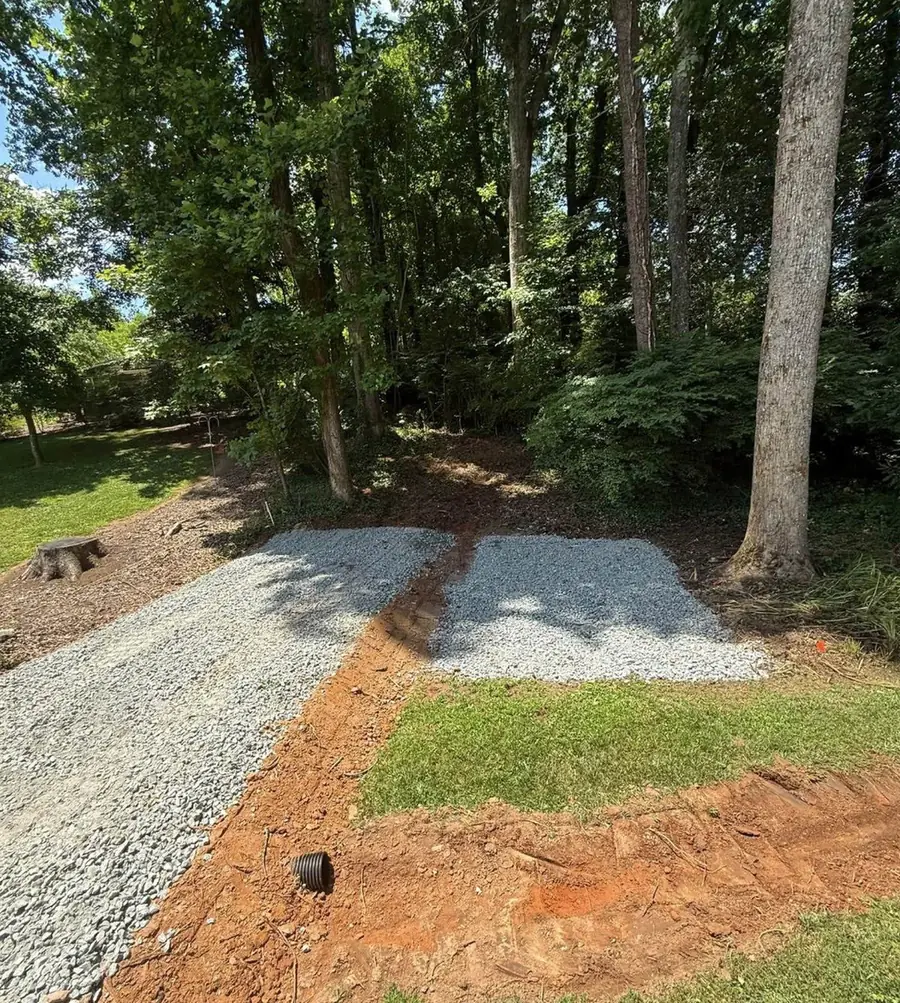
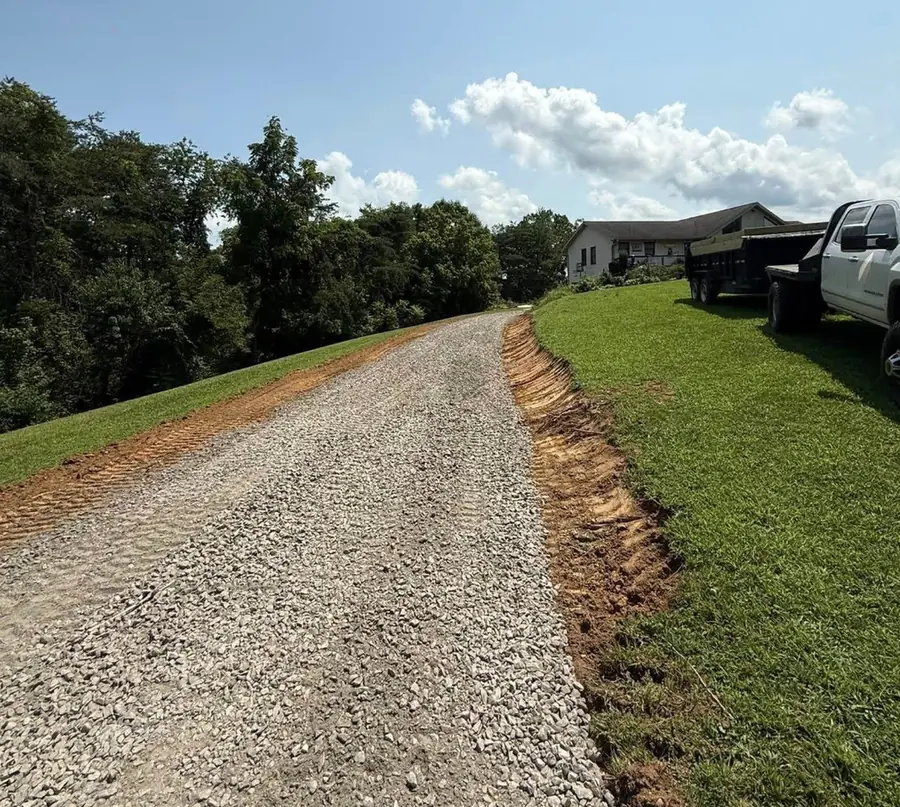
New drives cut, based and crowned to shed water — built for grade, not for flat ground.
Learn more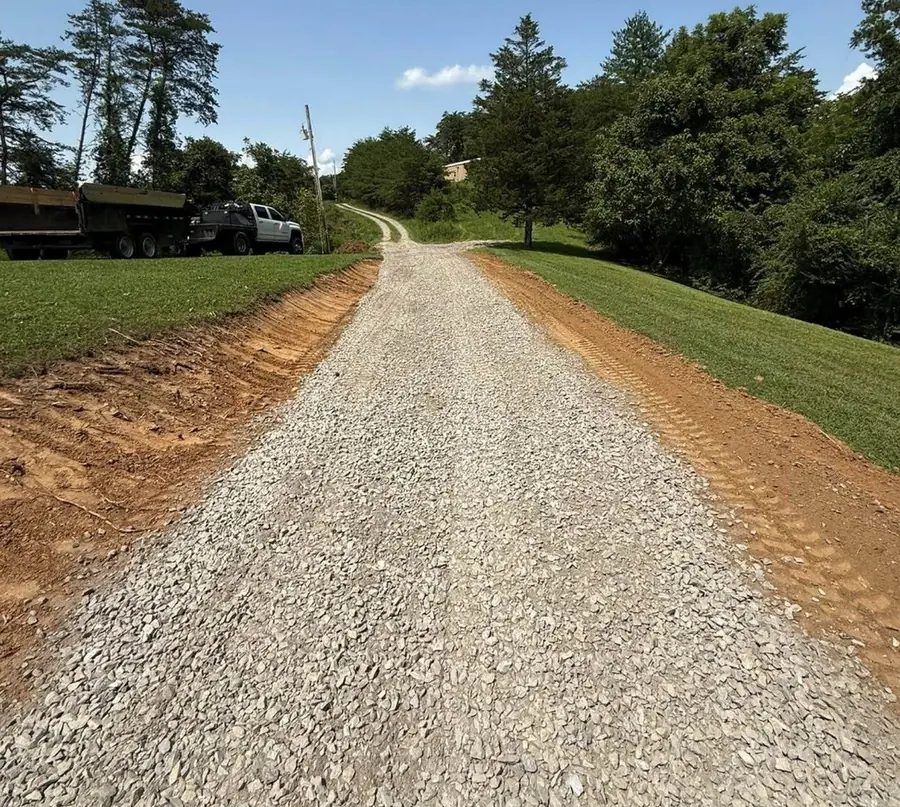 02
02Driveway Repair & Grading
Ruts, washboard and washout corrected, then re-crowned so it stops coming back.
Learn more03Drainage & Erosion Control
Culverts, catch basins, French drains and riprap — moving water off the drive and away from the house.
Learn more04Land Clearing
Lots, building sites and overgrown acreage opened up and hauled off.
Learn more05Forestry Mulching
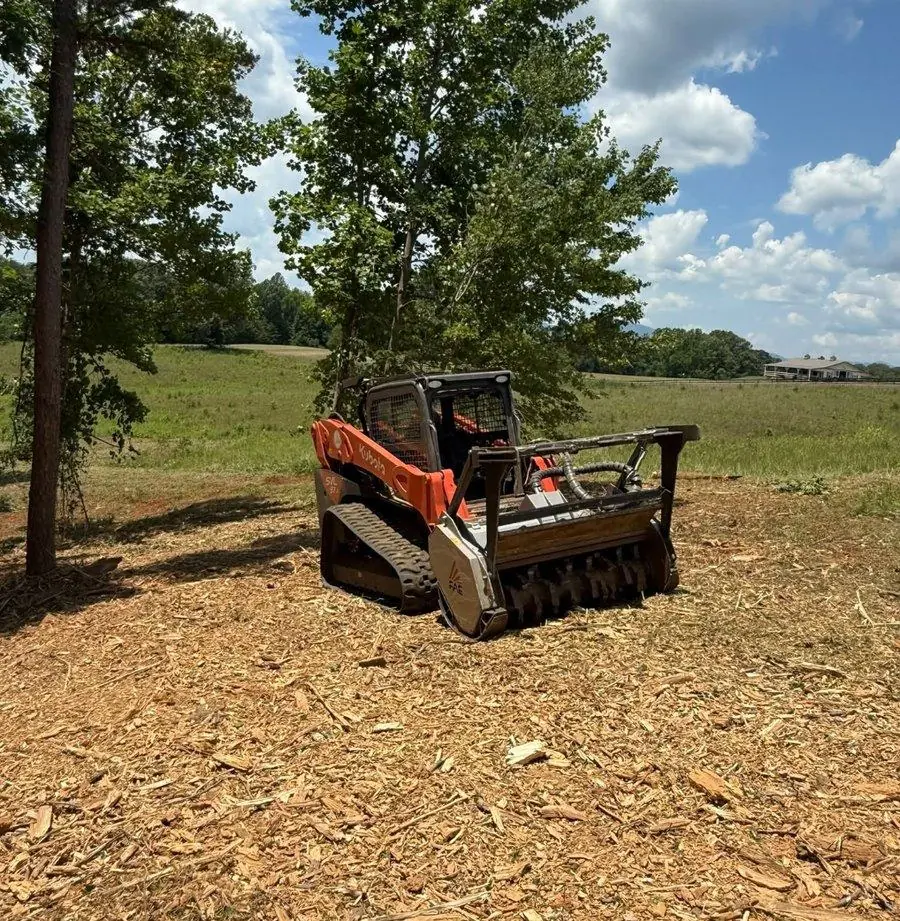
Brush, saplings and undergrowth cut and mulched in place. No burn pile, no haul-off.
Learn more06Grading & Land Leveling
Rough and finish grading to a slope that drains instead of holding water.
Learn more07Building Site Preparation
Raw ground made buildable — cleared, stripped, graded and accessed.
Learn more08House Pad Construction
Compacted pads built to spec on ground that was never flat to begin with.
Learn more09Retaining Walls
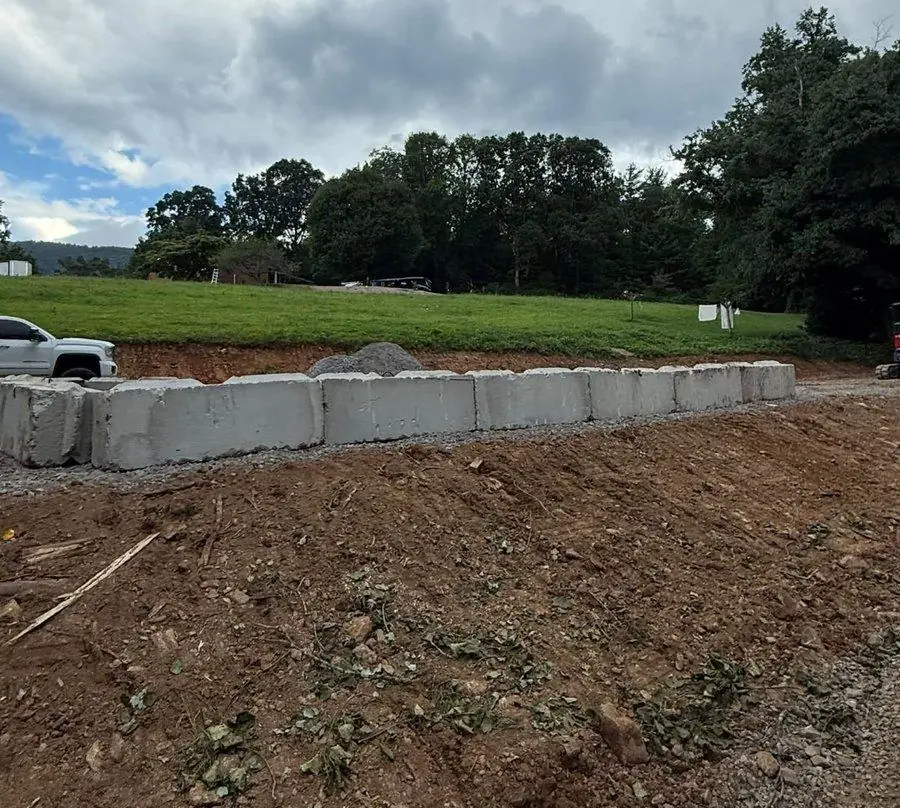
Block and stone walls that hold a cut bank and keep the drive where you put it.
Learn moreAlso: culvert installation. By town:
Before the drive, the ground has to open up.
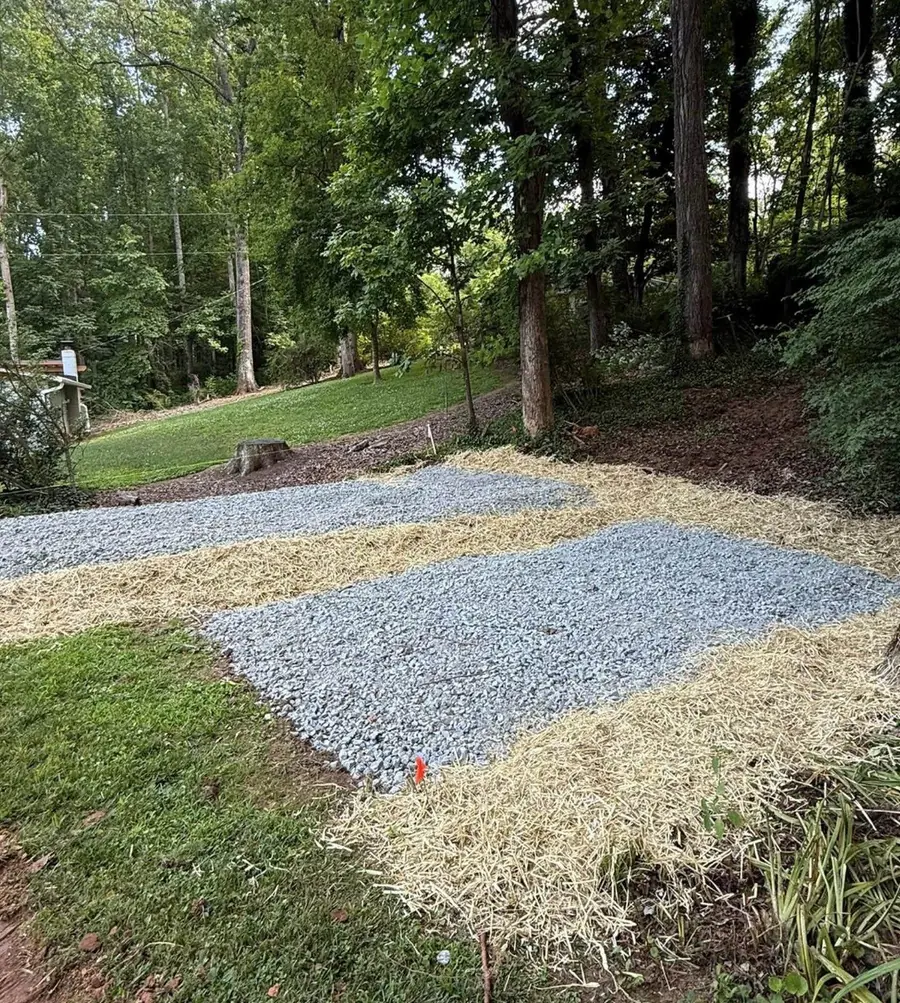
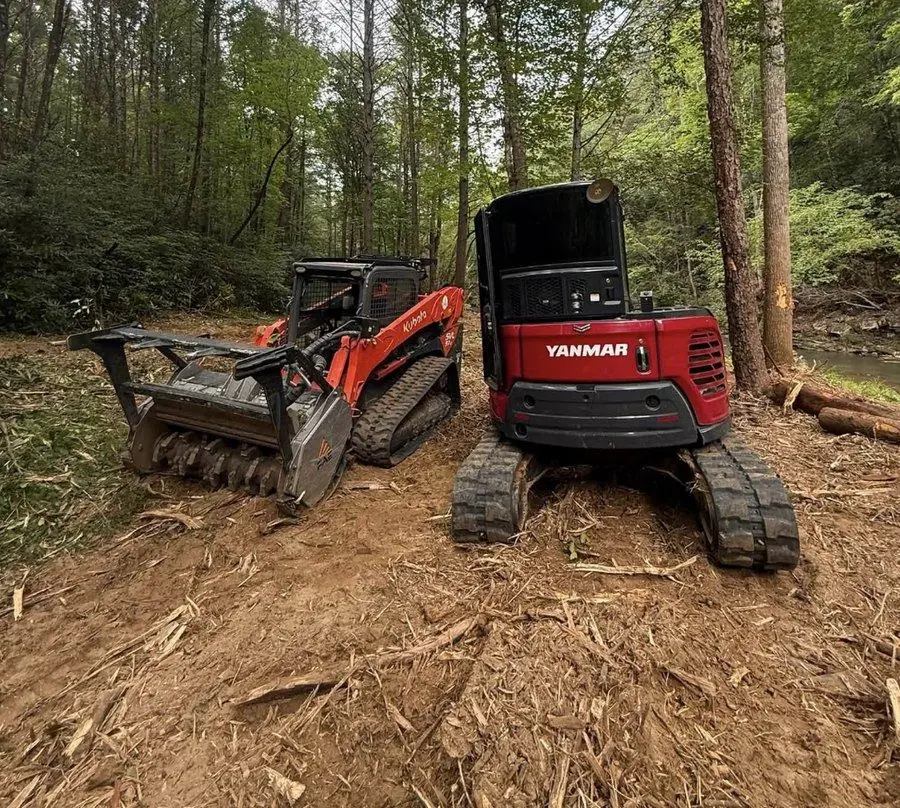
Most of our driveway work starts as a clearing job. A mulching head grinds brush and saplings into chip where they stand — no burn pile, nothing to haul, and the chip holds the soil while the site is open.
- Forestry mulching for brush, fence lines and thinning
- Full clearing where stumps and root mat must go
- Site preparation stripped, graded and accessed
- House pads built and compacted to spec
Cut banks, walls and riprap.
Cut a drive into a hillside and you have created a bank that wants to come back down. Block walls, stone and riprap are what keep it up there.
- Block and stone retaining walls
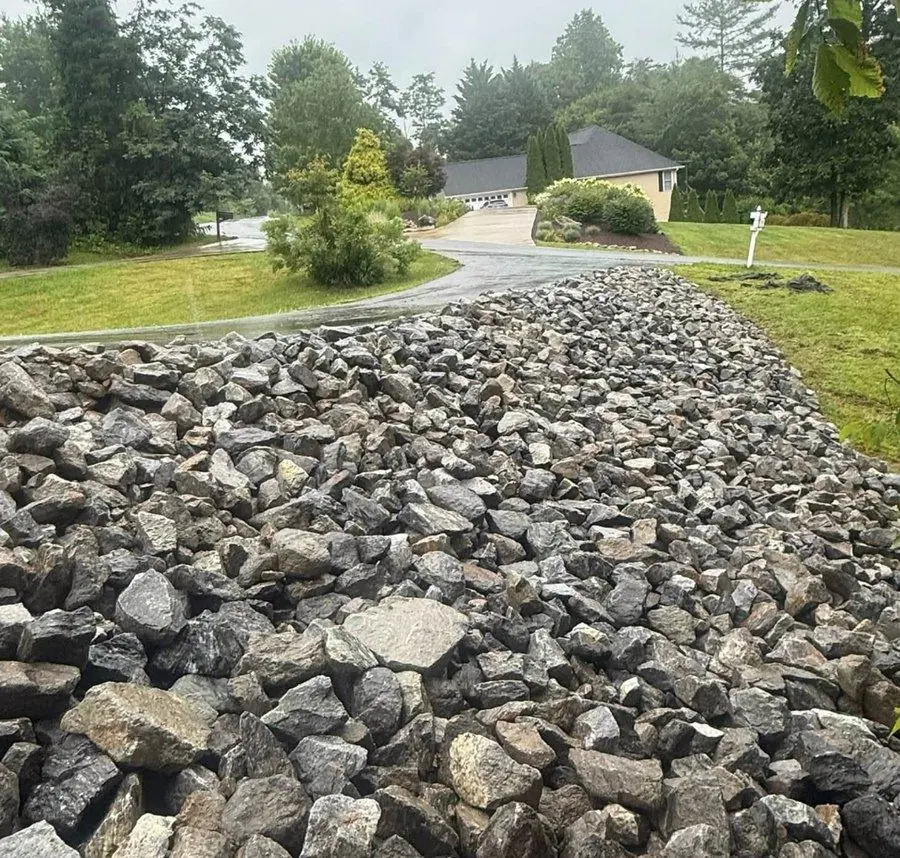
- Riprap armouring slopes and ditch lines
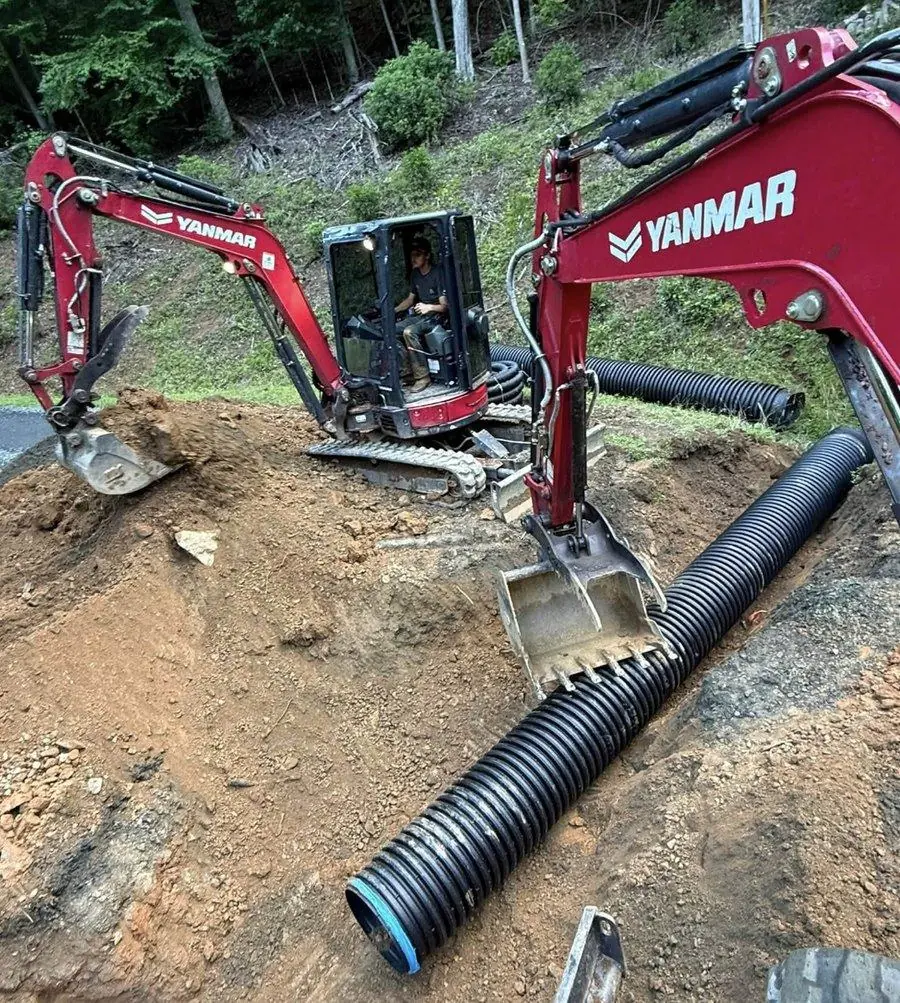
- Culverts and catch basins under and beside the drive
- French drains where water moves under the ground
Asheville out, and down into the Upstate.
Based in Asheville. Most of our work is within an hour of it, and we run down into Greenville and Spartanburg regularly.
Western North Carolina
Buncombe County, NC
- Asheville
- Weaverville
- Fletcher
- Arden
- Candler
- Black Mountain
- Fairview
- Swannanoa
Henderson County, NC
- Hendersonville
- Mills River
- Etowah
- Flat Rock
Haywood & Transylvania
- Waynesville
- Canton
- Clyde
- Brevard
Upstate South Carolina
- Greenville
- Spartanburg
- Greer
- Travelers Rest
- Duncan
- Inman
- Boiling Springs
- Easley
- Simpsonville
- Fountain Inn
- Anderson
Answers before you call
Plain answers on driveway cost, steep drives, washouts, drainage and getting a lot ready to build on.
What a gravel driveway costs in Western North Carolina
What a gravel driveway costs in Western North Carolina comes down to five things: how long and wide it is, how steep the ground is, how much drainage it needs, how much base the soil needs and how far the stone has to be hauled.
Read the guide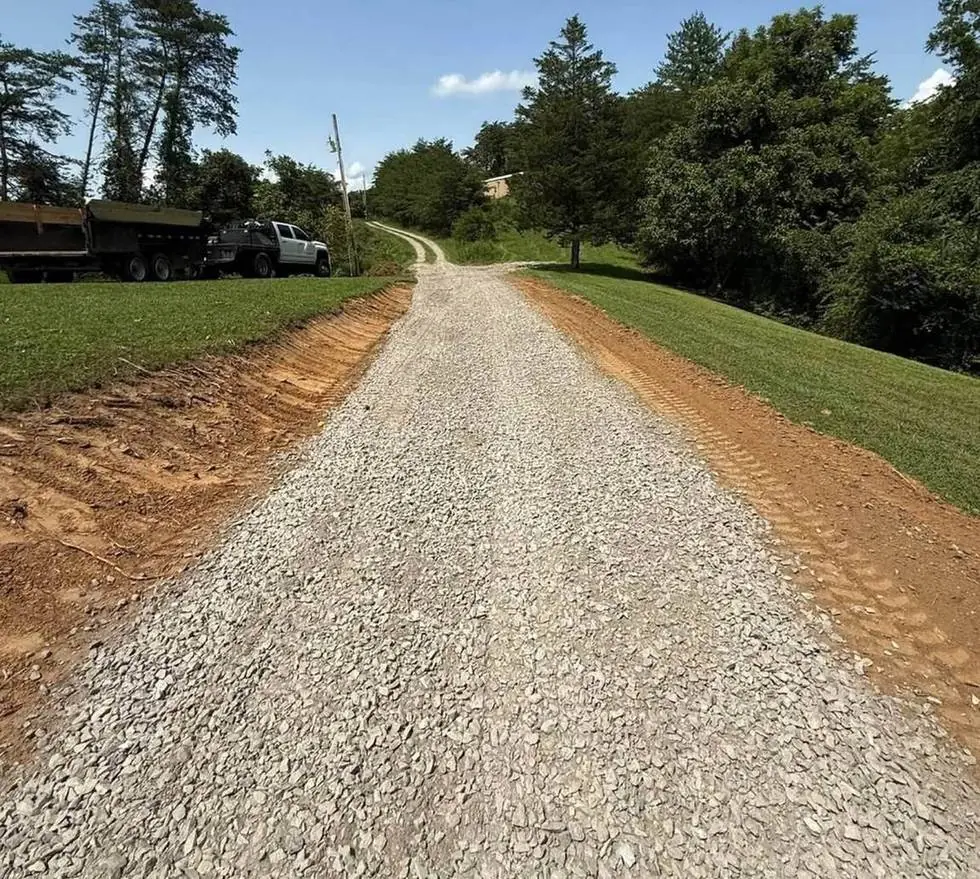
Steep Gravel Driveways in the Mountains
A steep gravel driveway stops washing out when water is taken off it in short runs, before it gains speed.
Read the guideHow to Fix a Washed-Out Driveway
To fix a washed-out gravel driveway, first find and fix where the water gets onto it, then rebuild the damaged sections with compacted crushed stone and restore the crown.
Read the guide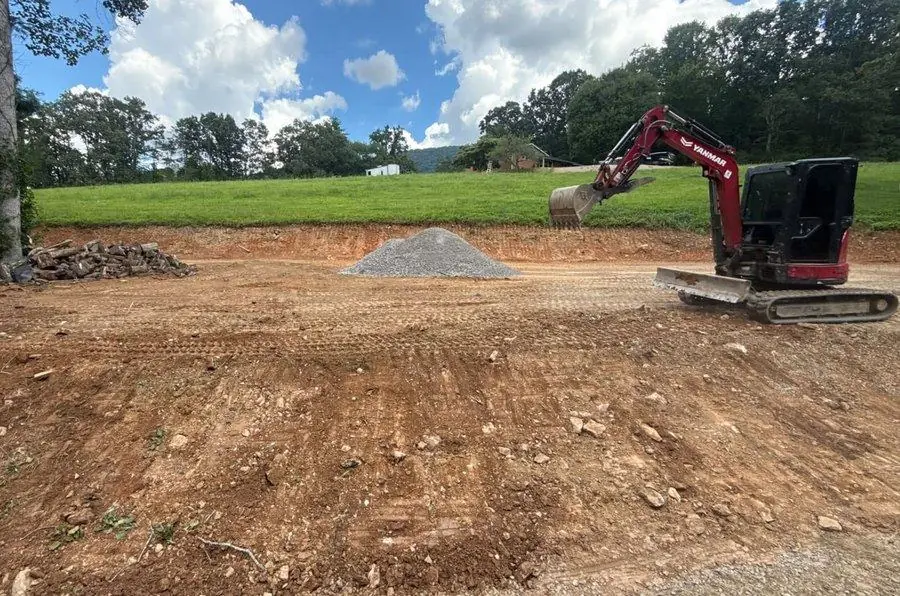
How to prepare land for building a home
To prepare land for building a home, first confirm the lot can be built on, then do the ground work in this order: access, clearing, stripping the topsoil, cutting and compacting the house pad, and drainage.
Read the guideWhat Moves the Cost of Land Clearing in Spartanburg, SC
The cost of land clearing in Spartanburg depends on what is growing on the lot, whether the stumps have to come out, how the debris is handled and how easily machines and trucks can get in.
Read the guide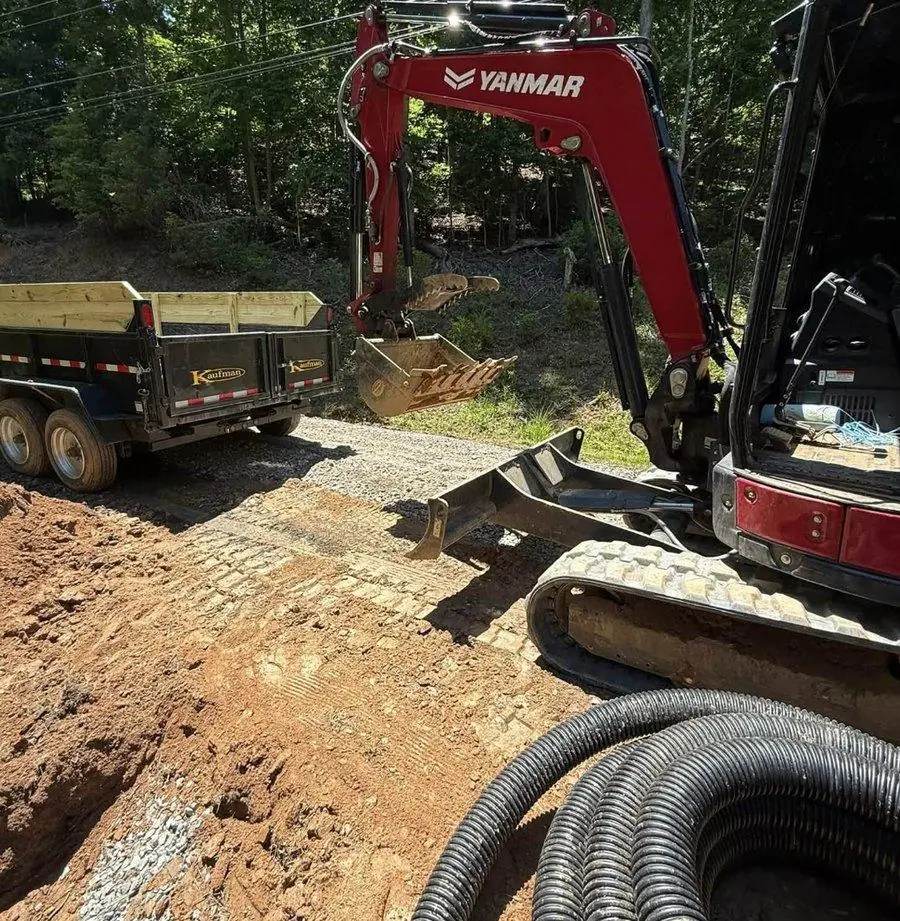
Driveway Culvert Pipes in Western North Carolina
A driveway culvert is a pipe that carries water under the drive at the point where a ditch or a draw crosses it.
Read the guideHow much gravel does a driveway need?
It depends on length, width, how soft the ground underneath is and how steep the grade is. A drive built in proper lifts on a prepared base uses more stone up front and far less over the following five years. We measure the drive and give you a real number rather than a guess over the phone.
Why does my gravel driveway keep washing out?
Almost always because water is running down the driving surface instead of off it. That is a crown and ditch-line problem, not a gravel problem. Adding more stone to a drive that sheds water badly buys a few months.
Can you build a driveway on a steep slope?
Yes, and most of what we build in Western North Carolina is on grade. The difference between a drive that holds and one that slides is whether it was cut into the hill or piled on top of it.
What is forestry mulching and when is it better than clearing?
A mulching head grinds brush, saplings and undergrowth into chip where it stands. No burn pile, nothing to haul off, and the chip holds the soil. Where stumps and root mat have to come out for a building site, that is clearing and excavation instead.
Do you handle the drainage as well as the driveway?
Yes, and on a mountain drive they are the same job. Culverts, catch basins, ditch lines, French drains and riprap are part of building a driveway that lasts.
What areas do you cover?
Asheville and Buncombe County first, out through Henderson, Haywood and Transylvania counties, and down into Upstate South Carolina around Greenville and Spartanburg.
Tell us about the ground.
Where it is, how long the drive is, how steep it gets and what it is doing now. We come out, walk it, and give you a real number.
- Free on-site estimates across WNC and the Upstate
- One crew from clearing through to the last load of stone
- Drainage designed in, not sold to you afterwards
Free estimate. Real number.
Call or text McKinley. He walks the ground before he gives you a price.