How to Prepare Land for Building a Home: From Clearing to a Build-Ready Site
Building a home on raw or undeveloped property starts long before the foundation is poured.
Wooded acreage, overgrown lots, sloped terrain, and rural properties often require extensive preparation before construction can begin. Trees and vegetation may need to be removed, access established, elevations corrected, drainage addressed, and the actual building area properly prepared.
M&S Land Management provides professional land clearing, forestry mulching, grading, building site preparation, gravel driveway installation, house pad construction, drainage solutions, and complete site preparation for properties throughout Upstate South Carolina and Western North Carolina.
Here's what can go into transforming raw property into usable, build-ready land.
1. Start With a Plan for the Entire Property
The first step isn't simply knocking down trees.
Before beginning land clearing, it's important to understand how the property will eventually function.
Where will the home sit? Where will the driveway enter the property? Where will construction equipment travel? Which areas actually need to be cleared? How does water currently move across the land?
Thinking about the entire project before heavy equipment starts moving can help the clearing, grading, driveway, drainage, and building preparation stages work together.
The goal isn't simply to make the property empty. It's to prepare it for what comes next.
2. Clear the Future Building Site
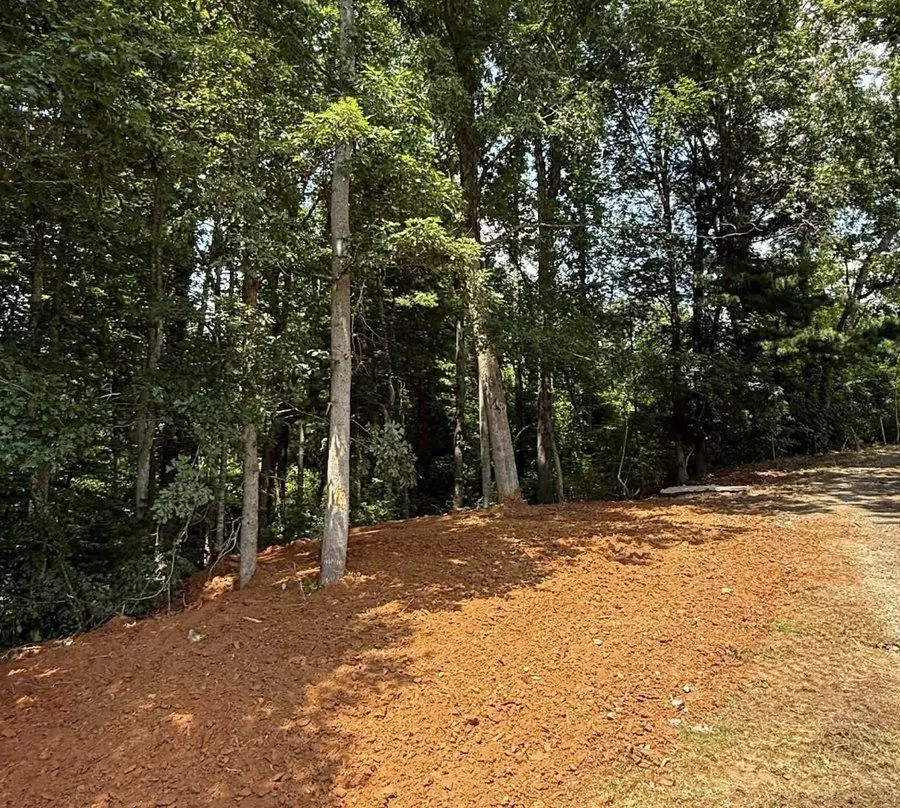
For wooded and overgrown properties, professional land clearing is often the first major phase of development.
Trees, brush, unwanted vegetation, and other obstacles may need to be removed from the future building area, driveway route, utility corridors, and equipment access points.
Once vegetation is removed, the property's actual terrain becomes much easier to evaluate.
Low areas become visible. Slopes become easier to understand. Existing drainage paths become more obvious, and the next stages of development can be planned around the actual condition of the land.
Land clearing may eventually lead directly into building site preparation, grading, and house pad construction.
3. Use Forestry Mulching Where Complete Clearing Isn't Necessary
Not every section of a property needs complete clearing.
Professional forestry mulching can remove dense undergrowth, brush, and unwanted vegetation while creating better access and reclaiming usable acreage.
This makes forestry mulching useful for improving surrounding acreage, opening trails and access routes, reclaiming neglected property, and preparing areas for future development.
A larger property may benefit from both approaches.
The future home and driveway may require more intensive land clearing, while surrounding acreage can be improved through forestry mulching.
Matching the method to the intended use of each area can create a more efficient overall project.
4. Establish Driveway and Construction Access
Before a home can be built, contractors, material deliveries, concrete trucks, trailers, and heavy equipment need dependable access to the building site.
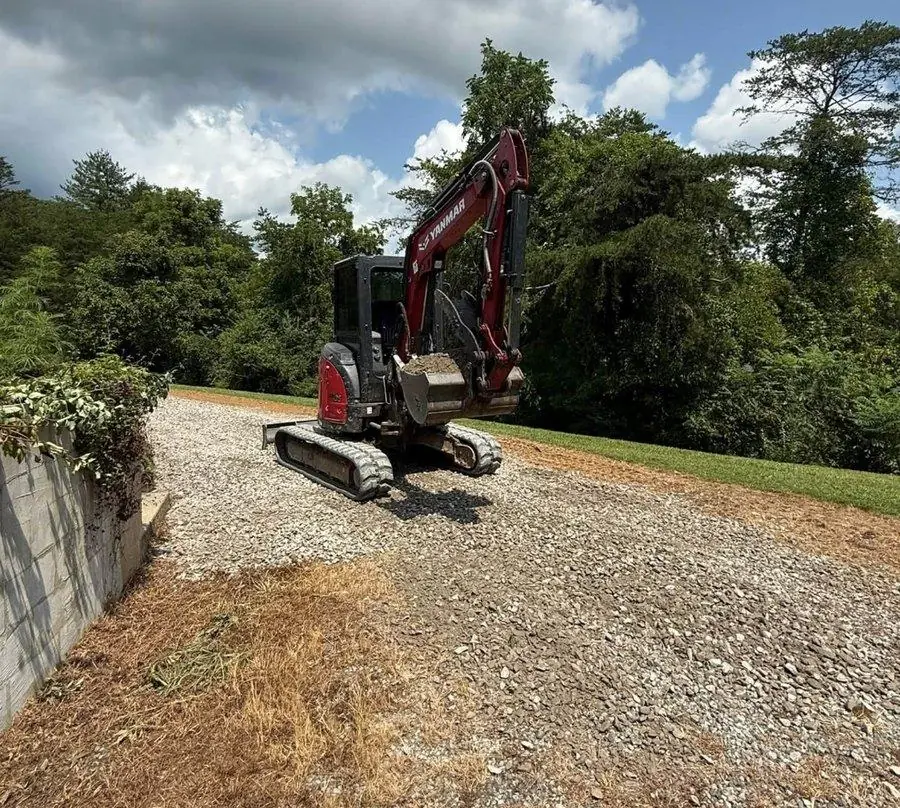
Professional gravel driveway installation can establish that access while accounting for terrain, elevation changes, soil conditions, and water movement.
A new driveway project may involve clearing the route, excavating unsuitable material, preparing the base, correcting elevations, installing aggregate, grading, and compaction.
Water management matters here too.
A poorly graded driveway can develop ruts, potholes, washouts, and displaced gravel when runoff repeatedly travels across the driving surface.
That's why driveway installation, grading, and drainage solutions often need to work together.
5. Grade and Shape the Property
Clearing vegetation doesn't automatically make land ready for construction.
Raw property may still contain steep sections, low areas, uneven terrain, unsuitable elevations, and slopes that don't match the future use of the site.
Professional land grading reshapes the terrain to establish the elevations and slopes needed for construction, access, drainage, and long-term property usability.
Depending on the project, grading can include rough grading, finish grading, drainage grading, building-site grading, yard leveling, and development-site grading.
The objective isn't necessarily to make everything perfectly flat.
Proper grading intentionally shapes the property so water moves correctly and future improvements have a stable starting point.
6. Solve Drainage Problems Before Construction
Water should be considered before a home is built—not after drainage problems appear.
Clearing vegetation, installing a driveway, reshaping terrain, and constructing a home can all change how rainfall moves across a property.
Professional drainage solutions and erosion control can help control runoff, improve water movement, and reduce problems caused by standing water or erosion.
Before construction begins, it's important to understand where water originates, where it currently travels, how development will affect that path, and where runoff should ultimately be directed.
These considerations become especially important on sloped and mountain properties.
Combining grading with professional drainage solutions can help establish a property that functions correctly before the house is ever built.
7. Prepare the Building Site
Once the property is accessible and the necessary vegetation has been removed, the construction area itself needs to be prepared.
Professional building site preparation helps transform raw land into a site suitable for future construction.
This stage may involve clearing, excavation, grading, soil movement, access preparation, drainage work, and establishing the correct elevations for the project.
The exact process depends heavily on the property.
A relatively flat open lot requires a completely different approach than wooded acreage with significant elevation changes.
The goal remains the same: create a stable, accessible, properly prepared building site.
8. Construct the House Pad
The area that will actually support the future home requires special attention.
Professional house pad construction helps create a properly prepared area for future construction.
Depending on the project, house pad construction may require excavation, cut-and-fill work, soil placement, grading, compaction, and careful elevation control.
This is where several earlier stages begin coming together.
The property has been cleared.
Access has been established.
The terrain has been graded.
Drainage has been considered.
Now the specific building area can be prepared around the requirements of the future structure.
9. Complete the Overall Site Preparation
Preparing a property for construction involves more than the footprint of the house.
Professional site preparation considers how the different areas of the property work together.
A typical undeveloped property might progress through:
Land Clearing → Forestry Mulching → Driveway Installation → Grading → Drainage → Building Site Preparation → House Pad Construction
Not every property requires every stage.
But coordinating them can help prevent one portion of the project from interfering with another.
Land Clearing vs. Site Preparation: What's the Difference?
Land clearing and site preparation are closely related, but they serve different purposes.
Land clearing focuses primarily on removing trees, brush, vegetation, and obstacles.
Site preparation goes further by preparing the resulting land for construction or another intended use.
A property can be completely cleared and still have poor drainage, no usable driveway, uneven terrain, severe slopes, low areas, or an unprepared building site.
That's why land clearing is frequently only the beginning.
A complete development project may continue into land grading, building site preparation, house pad construction, driveway installation, and drainage improvements.
Why Driveway Grading Matters Before Building
The driveway may experience some of its heaviest traffic while the home is being constructed.
Heavy trucks, trailers, equipment, and material deliveries can quickly expose a poorly prepared access road.
Professional gravel driveway installation should account for more than simply spreading stone.
Base preparation, grading, compaction, surrounding terrain, and drainage all influence how the finished driveway performs.
If water travels directly down the driving surface, even a newly installed gravel driveway can begin developing washouts.
Combining proper driveway construction with land grading and drainage solutions can create much more dependable access.
Preparing Mountain Property in Western North Carolina
Western North Carolina offers beautiful opportunities for rural and mountain homesites, but the terrain can make development more complicated.
Properties throughout the region can include dense woods, steep slopes, difficult access, and drainage challenges.
M&S Land Management provides land improvement services throughout Western North Carolina, helping property owners prepare raw and overgrown land for construction and future use.
Forestry mulching can help open overgrown portions of the property.
Land clearing can prepare the main construction footprint.
Driveway installation establishes access.
Grading reshapes the terrain.
Drainage solutions help manage runoff.
And building site preparation and house pad construction prepare the area where construction will actually occur.
Preparing Land in Upstate South Carolina
M&S Land Management also provides complete land-management and site-development services throughout Upstate South Carolina.
Property owners preparing for construction can begin with professional land clearing in Spartanburg, SC before moving into grading, driveway construction, drainage, and site preparation.
The same services are useful whether you're preparing a residential homesite, commercial property, rural acreage, or another development project.
The important part is approaching the property as one complete system.
The driveway needs to work with the grade.
The grade needs to work with the drainage.
The house pad needs to work with the surrounding elevations.
And the entire property needs to be prepared around its eventual use.
Can Forestry Mulching Be Used Around a Future Homesite?
Yes.
Forestry mulching can be especially useful on larger properties where only part of the acreage will be developed.
Instead of completely clearing every section, forestry mulching can remove unwanted vegetation from surrounding areas while more intensive land clearing, grading, and site preparation are concentrated around the future home, driveway, and construction areas.
This can improve access and reclaim usable acreage while matching the level of site work to how each part of the property will actually be used.
Don't Build the House Before Preparing the Land
The house may eventually be the centerpiece of the property, but everything depends on the ground underneath it.
Access matters.
Elevation matters.
Drainage matters.
The building area matters.
And the order in which the property is developed matters.
M&S Land Management helps homeowners, builders, developers, and property owners transform raw or overgrown property through professional land clearing, forestry mulching, grading, building site preparation, gravel driveway installation, house pad construction, drainage solutions, and complete site preparation.
The goal isn't simply to clear the property.
It's to build a strong foundation for everything that comes next.