

Snow and Ice Contracts in Western NC
What to know before signing.
A snow and ice contract is a written plan for winter: when work starts, what gets done, in what order and how it is paid. In Western North Carolina, where snow is light but grades are steep and ice is common, the details matter more than the headline number. This guide covers contract types, comparing quotes, what to put in writing, private roads and when to sign.
- Free on-site estimates
- Owner-run by McKinley
- Written for WNC buyers
A buyer's guide to snow contracts
The three contract types
A seasonal contract is one fee for the whole winter, however many storms come. A per-push contract bills each plowing pass. A per-event contract bills each storm as a unit, however many passes it takes, and has to define what an event is. Salting is often priced separately under all three, per application, because ice does not follow snow depth. Hauling is usually separate too, billed by the load or by the time.
Seasonal suits a church, an HOA or a rental manager who wants one number in the budget and no approvals mid-storm. Per-push or per-event suits an owner who would rather pay for what falls. Western NC winters swing from quiet to icy year to year, so look back at a few recent winters, count the storms and ice events, and see what each type would have cost.
Comparing quotes fairly
Two quotes are only comparable if they cover the same work. Check that each one names the same trigger depth, the same surfaces, the same salting and the same walks. Ask what counts as an event, how long one lasts, and whether a storm that stops and restarts is one event or two. Ask whether refreeze visits are included or billed separately, and whether there is a minimum charge per visit.
Then ask about the parts that are easy to skip. Who handles hauling when the piles fill, and how is it billed? How is damage reported and repaired? Is there a site map? Does the contractor walk the site before the season? Ask for a certificate of insurance and keep it with the contract. A lower quote that leaves out salting or walks is not lower once those are added back.
What to put in writing
Write down the trigger for plowing and a separate trigger for salting, since ice often comes with no snow at all. Write the route order and any timing needs, such as before Sunday services or before an office opens. List every surface: lot, drive lanes, private road, drives, walks, entrances, steps and ramps. Name the salting material for each surface and any spot to leave untreated, such as fresh concrete.
Attach a site map that shows push areas, places snow must never go, and every hazard under the snow: curbs, drains, culvert ends, rocks, retaining wall edges and drop-offs. Say where hauled snow goes. Say when the season starts and ends, how either side can end the contract, and how payment works. If something is not written down, assume it is not included.
Private road associations
In North Carolina a road is kept up by NCDOT, by a town, or by the people who use it. Counties do not maintain roads, and Buncombe County says so plainly. Many mountain communities and shared roads are private, so snow is the association's job, or the neighbors' if there is no association. A road maintenance agreement or HOA covenants may already say who pays. The guide to private road repair in Western NC covers those papers.
Settle three things before asking for quotes. Who signs and receives the bill. How the cost is split, whether equal shares or by how much of the road each home uses. And what the contract covers: the full road from the state road to the last house, the steep pitches and switchbacks that need grit, turnarounds, mailbox areas and any gate. One agreement for the whole road works better than each house hiring separately.
When to sign
Sign in the fall, before the first storm. Most of the snow and ice in Western NC comes between December and March, with the odd early or late storm. A fall signing leaves time for a walk-through while the ground is bare and soft enough to set stakes, and for the site map and route order to be agreed. Contractors fill their routes before winter, and later calls are harder to fit in.
If you are reading this mid-storm, a one-time call may still work, but expect it to fit around properties already under contract. For a free on-site estimate on a seasonal, per-push or per-event agreement, see commercial snow removal contracts or call McKinley at (828) 540-6856. He walks the property, marks what matters and puts the plan in writing before the next storm.
Snow Removal and Ice Control
Plowing, salting, hauling and walk clearing for homes, private roads and businesses around Asheville.
See the pageTalk to McKinley(828) 540-6856
Call or text the address and what needs clearing: a lot, a drive, walks or all three. McKinley sets the route and the terms with you before the first snow.
Call nowWhat that covers
- Contract types. Seasonal, per-push and per-event, and who each suits.
- Comparing quotes. Questions that make two bids line up.
- What to write down. Triggers, scope, materials, site map and hauling.
- Private roads. Who signs, who pays and what the road contract covers.
- When to sign. Why the fall walk-through matters.
Snow Removal and Ice Control
Plowing, salting, hauling and walk clearing for homes, private roads and businesses around Asheville.
See the pageSnow serviceCommercial Snow Contracts
Seasonal, per-push and per-event snow and ice contracts, walked and mapped before the first storm.
See the pageSnow serviceSalting and Ice Management
Pre-treating, salting and refreeze visits for ice storms, freezing rain and shaded mountain grades.
See the pageSnow serviceSidewalk and Entrance Clearing
Walks, entrances, steps and ramps cleared and treated so people get from the car to the door safely.
See the pageSnow serviceSnow Hauling
Snow piles loaded out with the skid steer and dump truck when a tight mountain lot has nowhere to push.
See the pageSnow services a contract can cover
Each service a contract can include has its own page: snow plowing, salting and ice management, and the rest listed under snow removal and ice control. Local pages cover Asheville, Hendersonville, Weaverville, Black Mountain, Waynesville, Fletcher and Brevard, with the roads, grades and private road situations in each one.
Set up before the first storm.
You call
Call or text with the address, how steep the drive or road is and what needs clearing: lot, drive, walks or all of it.
McKinley walks it
He walks the property before the season, notes the grades, the shaded stretches and where the snow can go.
Terms in writing
Seasonal, per push or per event, the trigger, salt and walks are written down before anyone needs them.
Cleared when it falls
When the storm comes, the property is worked in the agreed order and treated where ice will form.
The machines and the crew.
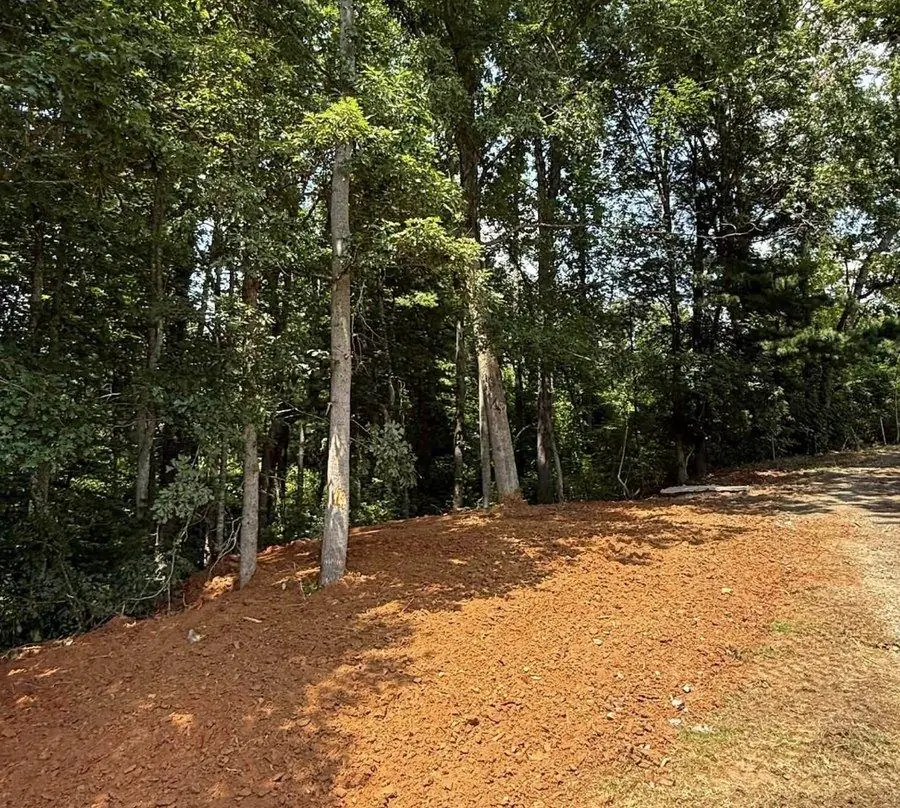
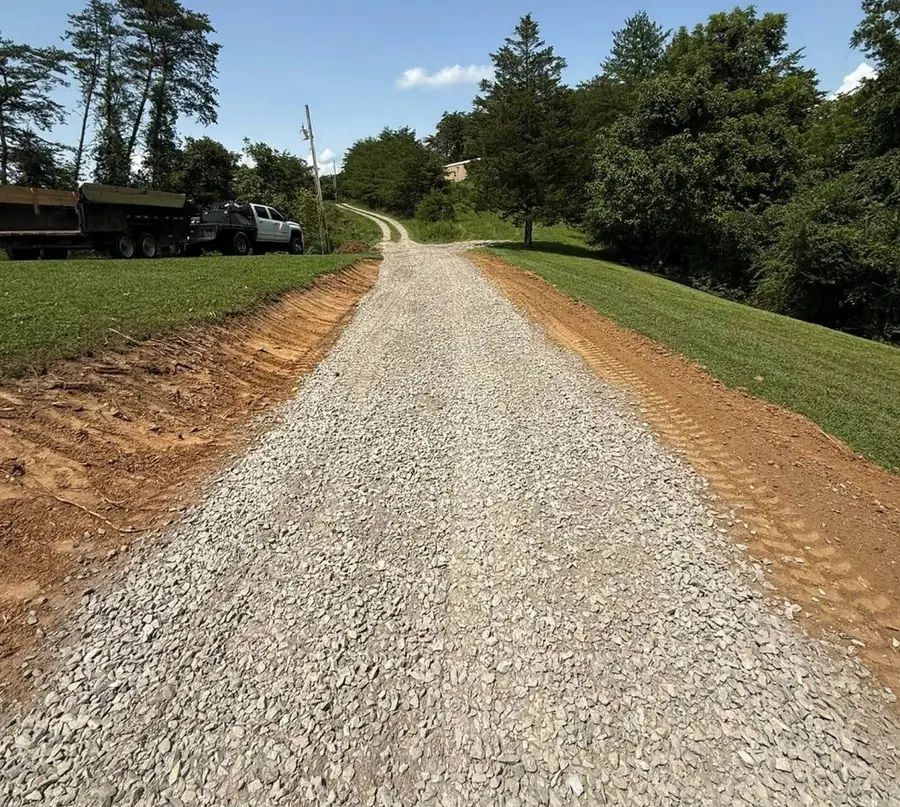
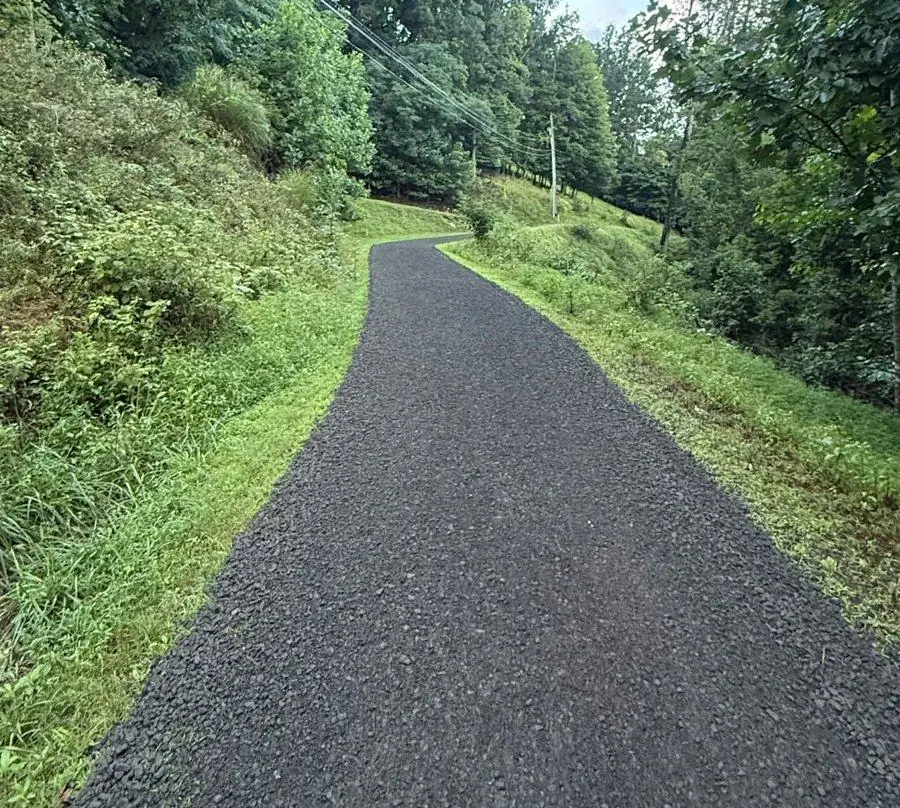
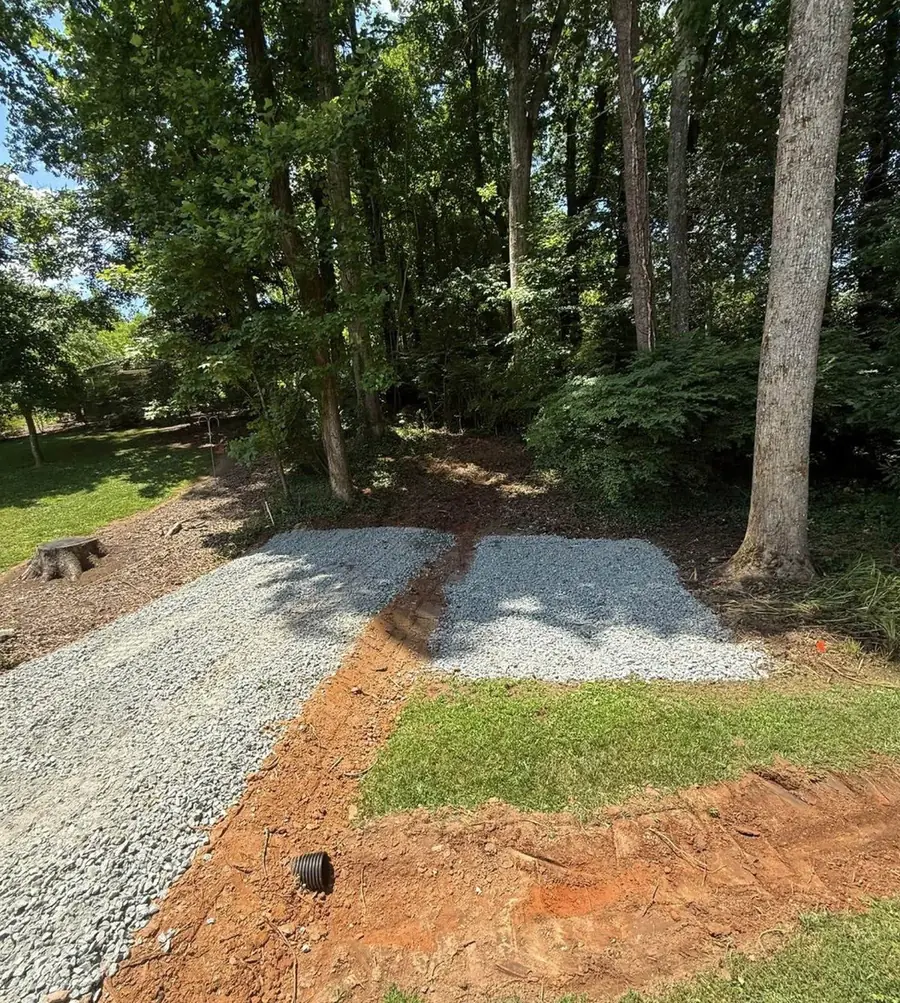
These are photographs from McKinley's actual jobs: the same equipment and the same crew that run the snow routes. See more recent work.
Questions people ask
Not seeing yours? Call (828) 540-6856 and ask McKinley, or read the guides.
Is a seasonal snow contract worth it in Western NC?
It depends on what you value. A seasonal contract gives a fixed budget and no approvals mid-storm, but in a light winter you pay the same as in a heavy one. Owners who need the property open every storm, such as churches, HOAs and rental managers, often prefer it. Owners who can live with a variable bill may come out ahead with per-event.
What is a trigger depth?
The amount of snow that starts plowing under the contract. It is written down so nobody has to decide on the day. In Western NC a depth trigger alone is not enough, because freezing rain and refreeze cause more trouble than depth on mountain grades. A good contract adds a separate ice trigger for salting.
Who pays for snow removal on a private road?
The people who use it. NCDOT plows only state roads, towns plow their own streets, and North Carolina counties do not maintain roads. On a private road the HOA, the road association or the neighbors pay, usually split the same way the road maintenance agreement splits repairs. If there is no agreement, put the split in writing before signing a snow contract.
What should a snow contract include?
The plowing trigger and a separate ice trigger, the route order and timing, every surface covered, salting materials by surface, refreeze visits, hauling and where the snow goes, a site map with hazards marked, how damage is handled, how billing works and how either side can end the contract. Anything not written down should be treated as not included.
When is it too late to sign a snow contract?
There is no hard cutoff, but every week into winter makes it harder. Routes fill in the fall, and a property that signs during the first storm misses the walk-through, the staking and the site map. Signing in the fall, before the first storm, is the way to get all of that done on bare ground.
Other work he takes on
Most jobs end up being two or three of these at once, and they get quoted together.
Snow removal in other towns
Gravel Driveways
A new drive cut into the hill, based in lifts and crowned to shed water.
Learn moreDriveway Repair & Grading
Washouts, ruts and potholes fixed at the cause, not just regraded.
Learn moreDrainage & Erosion Control
French drains, catch basins, culverts and riprap so the property sheds water.
Learn moreRetaining Walls
Block, boulder and riprap walls that hold a cut bank up.
Learn moreLand Clearing
Lots, building sites and overgrown acreage cleared, stumps and root mat out.
Learn moreHouse Pads & Site Prep
Pads cut, filled and compacted on ground that started at anything but level.
Learn moreFree snow contract estimate in WNC.
The address, how steep the drive or road is, and what needs clearing. McKinley walks it before the season and gives you the terms in writing.
- Free on-site estimates across WNC and the Upstate
- Residential drives and commercial lots
- Seasonal, per push or per event, set up before the first storm
Snow removal where you are
Each town has its own page: what winter does there, what gets plowed and how the contracts are set up.
Ready to set up a snow contract?
Call McKinley at (828) 540-6856 to walk the property and put the plan in writing.